The Thinking Healthy programme; Early Childhood Mental Health Interventions in Low- and Middle-Income Countries

“Not everything that is faced can be changed, but nothing can be changed until it is faced.”

James Baldwin
1 in 10 people require mental health support (Bruckner et al., 2011).
It is estimated that by 2030, depression will be the…

  • third highest cause of disease burden in low income countries and
  • second in middle income countries (Mathers & Loncar, 2006).

Impact of Mental ill-health
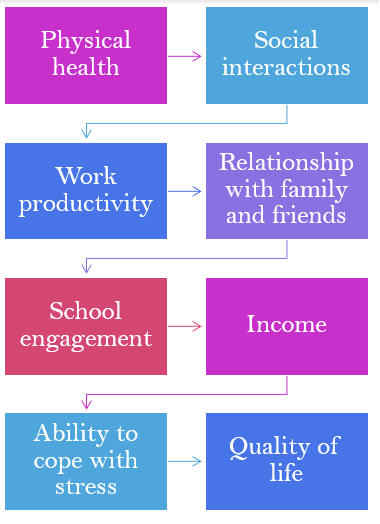
Kiel er et al. (2011)
Mental health issues also strain
family, friends or carers, with a
higher chance of
Mental health issues
impact the
economy through
– chronic stress
– illness
– reduced income
– straining the healthcare system
– reduced work productivity and
household income
– impacted economic growth
Bruckner et al., 2011; Kawakami et al., 2012; Shah, Wadoo, & Latoo, 2010

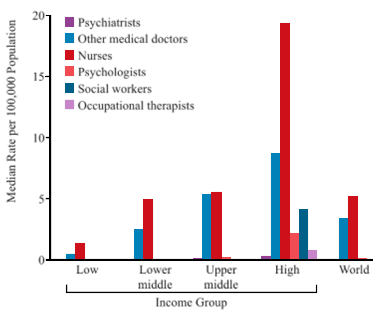
Investment in mental health services is often mis distributed between and across countries. High income countries spend up to 80 times more than low-income countries (Ritchie & Roser, 2018). However over 80% of people with mental disorders live in low- and middle-income countries (Rathod et al., 2017). To make matters worse, low-income countries may see as low as 2 health workers per 100,000 population (Bruckner et al., 2011). The graph below shows the graduation rates of professional mental health specialists between countries.
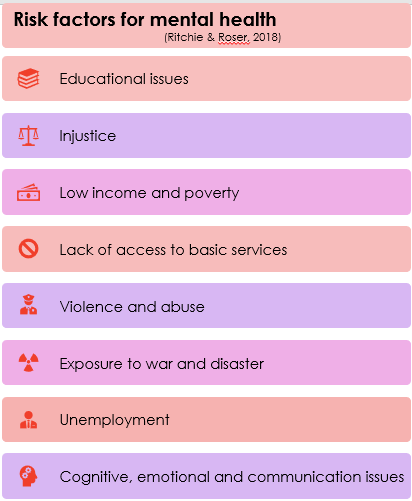
Children living in low-and middle-income countries are vulnerable to mental health issues because of the adverse childhood experiences they are exposed to (Escueta, Whetten, Ostermann, & O’Donnell 2014).
Why intervene in early childhood?

Early childhood is a developmentally sensitive period. This makes it the most cost-effective period to intervene (Karoly, Kilburn, & Cannon, 2005). Interventions have long-term cognitive, emotional, social and behavioural benefits (Everson-Rose, Mendes de Leon, Bienias, Wilson & Evans, 2003). This blog discusses how to implement an effective early childhood mental health intervention in low-and middle-income countries.

The Thinking Healthy Programme
The Mental Health Gap Action Programme (mhGAP; World Health Organisation, 2008) was developed by WHO to assess and manage mental disorders. The Thinking Healthy Programme is an addition of the mhGAP for perinatal depression (World Health Organisation, 2008). The programme aims to improve mother and baby physical and psychological wellbeing in non-specialised health-care settings (World Health Organization, 2015).

Practicality in low-and middle-income countries

The Thinking Healthy Programme is a cost-effective programme, developed for use in low-and middle-income countries (Fuhr et al., 2019). The activities do not require background knowledge or materials and thus efficacy is not compromised in low-income countries. The types of activities include playing, talking and singing with baby, and using safe and appropriate household objects to promote child development.

This programme does not rely on specialists, employing local paraprofessionals. This has many advantages including…
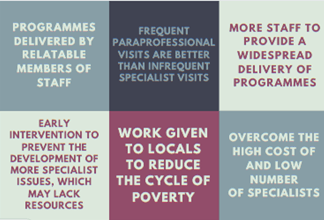
Olds et al., 2004

Paraprofessional home visits produce many positive outcomes for the family, including…
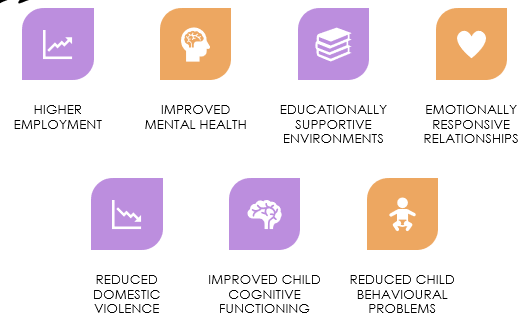
Olds et al. (2004)

The emphasis on making the programme attainable and feasible in low-and middle-income countries is crucial. However, the effectiveness of the intervention is equally important as the programme needs to have an impact. This blog evaluates the efficacy of the Thinking Healthy Programme using Baker-Henningham’s paper (2013). This paper identified three factors of successful early childhood mental health interventions in low-and middle-income countries:

  • activities designed to increase child development
  • training caregivers to establish stimulative and supportive environments
  • improving parental mental health

The Thinking Healthy Programme includes activities designed to enhance child development, establish stimulative environments and improve parental mental health. Activities include singing, playing and using safe household objects. Activities are cognitively stimulating and promote mental health through improving development and social interaction (Milteer, Ginsburg, & Mulligan, 2012). Children develop emotional-regulation and use resources and social systems to cope with risk factors for mental health issues (Engle et al., 2011).

Effective early childhood interventions focus on parental wellbeing and interaction with children (Baker-Henningham, 2013 ; Smith, 2004). Parental mental health issues may impact children genetically or environmentally through abuse, neglect and poor attachments (Smith, 2004). Child cognitive, emotional, social and behavioural development suffers when their parents have mental illness (Smith, 2004). The Thinking Healthy Programme facilitates parent-child interaction and improves mental health through supportive, nurturing, loving environments (Hamadani, Huda, Khatun, & Grantham-McGregor, 2006).
Implementation

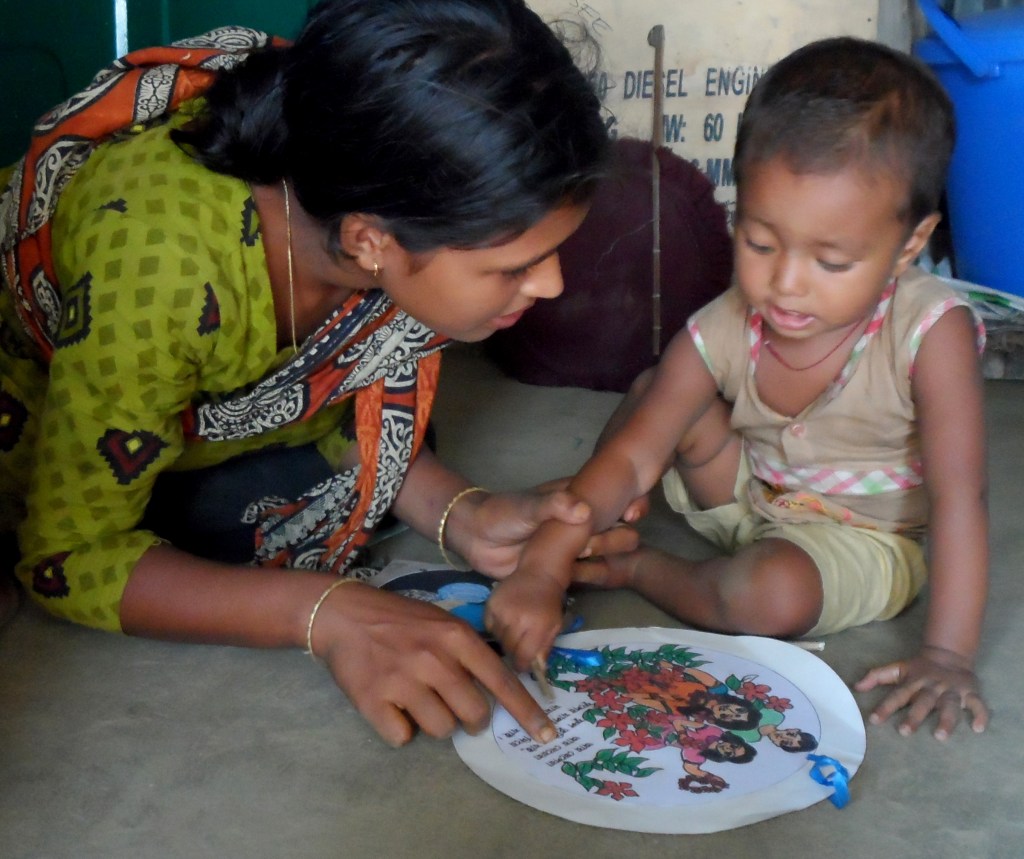
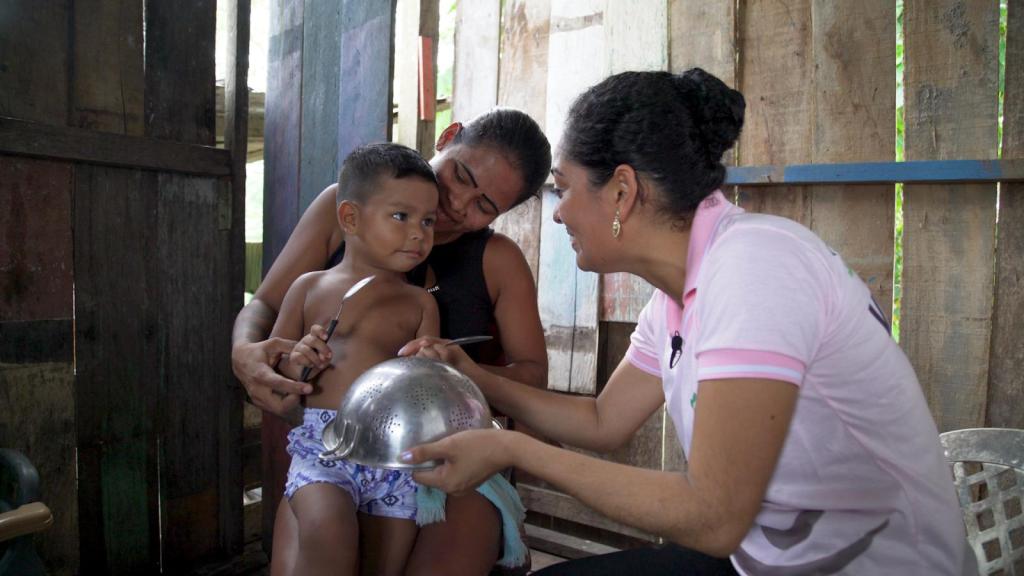
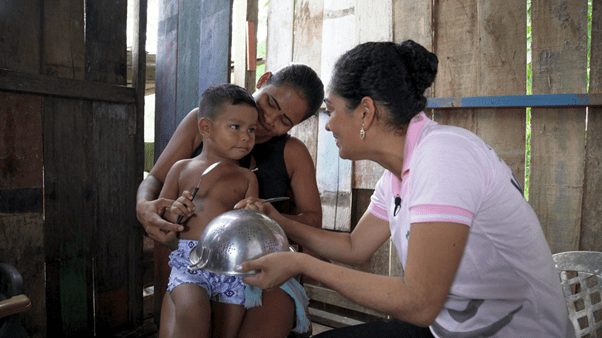
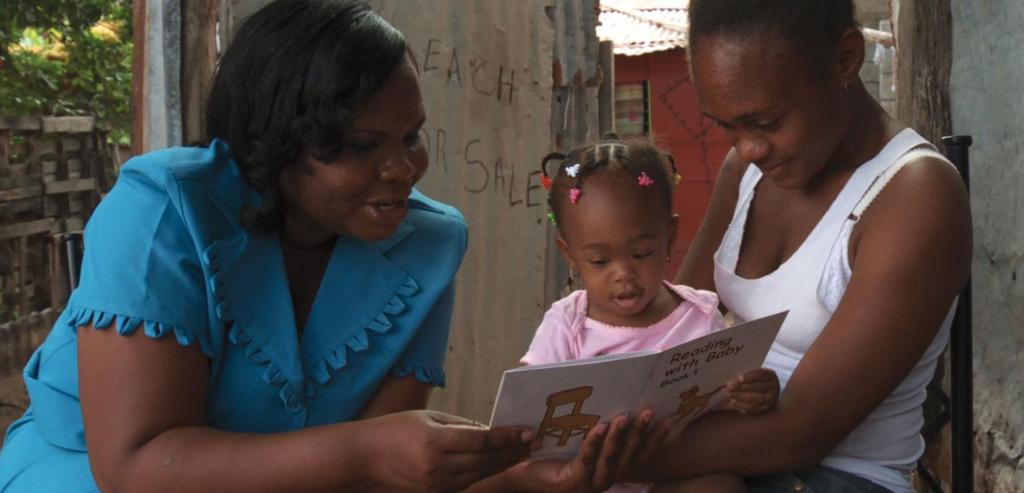
Home visitors show mothers how to play with baby safely, effectively and in a way which promotes child development. Throughout the process, Thinking Healthy home visitors will praise parents and children to establish emotionally supportive and encouraging environments (Klasen & Crombag, 2013). An activity which may involve a household object may be a wooden spoon:

  • Allowing the baby to play with the spoon to learn to interact with the world, and improve dexterity and motor skills
  • Explaining the activity including the purpose, what the mother should do, and key language
  • Demonstrating the activity to the mother using praise and key words. This may include
    • hitting it against a pan to make a sound and saying ‘bang’
    • saying the name of the object to enhance learning and language development
    • pretending to mix something to enhance understanding of objects
  • Asking mothers to do the activity, and supporting them, using key language and praise.
  • Providing feedback and praise, reflecting on the activity. Discussing when this activity can be used.
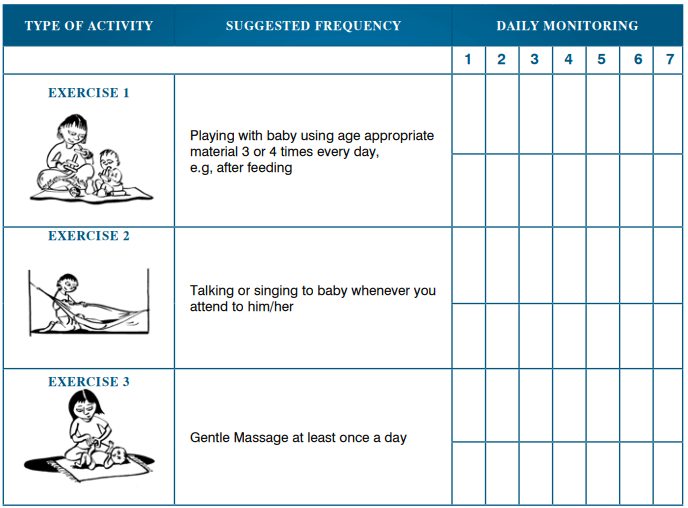
Activities benefit mother and child wellbeing, and establish a stimulative, interactive and engaging environment. This can promote mental health through quality interactions, stress-free play and enhanced resilience and ability to cope. The Thinking Healthy Programme also includes activities designed to directly improve parental mental health, to improve their ability to cope and engage with parenting (World Health Organisation, 2015). Cognitive behavioural techniques are used to challenge negative thought patterns (Grant, Townend, Mulhern, & Short, 2010).
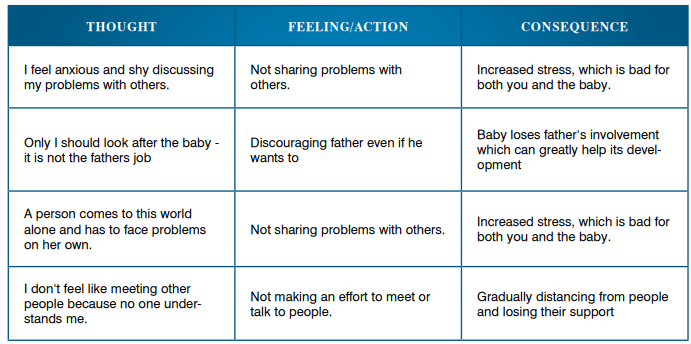
Some problems with implementation (Britto et al., 2013).

  • Rural areas and accessing families
  • Training enough staff to meet the demand
  • Getting materials to the low-to-middle income areas
  • Financial and investment issues

Enablers to implementing early childhood mental health interventions in low- and middle-income countries (National Forum on Early Childhood Policy and Programs, 2008; Worldbank, 2017;World Health Organisation, 2017).

  • Assigning money to early childhood interventions as opposed to specialist mental hospitals, which targets fewer.
  • Enhance government understanding that investment into early childhood education will have economic benefits
    • higher income and employment
    • reduced crime and substance addiction
    • less pressure on healthcare
    • reduce poverty
    • enhance prosperity and human capital
  • Employing local paraprofessionals to reduce the cycle of poverty and provide additional services.
  • Getting support for early childhood interventions through financing, policy advice and partnership activities. Investments can see returns of $4 – $9 dollar return per $1 invested

Summary

The Thinking Healthy Programme is developed for low-and middle-income countries. It implements all of the core characteristics of an effective early childhood intervention as stated by Baker-Henningham (2013). The programme includes activities designed to increase child development such as playing with safe household objects. Caregivers are trained to establish stimulative and supportive environments through singing and playing with baby. It also works to improve parental mental health through CBT techniques of challenging negative thought patterns and engaging with their child (Grant, Townend, Mulhern, & Short, 2010). This early intervention of childhood mental health is crucial as the risk factors exposed to children in low-and middle-income countries are extensive. The impact of this exposure can be lifelong, and interventions later in life are less effective (Everson-Rose, Mendes de Leon, Bienias, Wilson & Evans, 2003). The Thinking Healthy Programme could be adapted to improve child and parent mental health across countries and contexts, and appears to be an efficient tool (World Health Organisation, 2015).

References

Baker-Henningham, H. (2014). The role of early childhood education programmes in the promotion of child and adolescent mental health in low-and middle-income countries. International journal of epidemiology43(2), 407-433. DOI: 10.1093/ije/dyt226

Becker, A. E., & Kleinman, A. (2013). Mental health and the global agenda. New England Journal of Medicine369(1), 66-73. DOI: 10.1056/NEJMra1110827

Britto, P. R., Yoshikawa, H., Van Ravens, J., Ponguta, L. A., Oh, S. S., Dimaya, R., & Seder, R. C. (2014). Understanding governance of early childhood development and education systems and services in low-income countries. Office of Research Working Paper, UNICEF. Retrieved on 08/04/20. Retrieved from https://www.unicef-irc.org/publications/pdf/iwp_2013_7.pdf.

Bruckner, T. A., Scheffler, R. M., Shen, G., Yoon, J., Chisholm, D., Morris, J., … & Saxena, S. (2011). The mental health workforce gap in low-and middle-income countries: a needs-based approach. Bulletin of the World Health Organization89, 184-194. doi: 10.2471/BLT.10.082784

Engle, P. L., Fernald, L. C., Alderman, H., Behrman, J., O’Gara, C., Yousafzai, A., … & Iltus, S. (2011). Strategies for reducing inequalities and improving developmental outcomes for young children in low-income and middle-income countries. The Lancet378(9799), 1339-1353. https://doi.org/10.1016/S0140-6736(11)60889-1

Escueta, M., Whetten, K., Ostermann, J., & O’Donnell, K. (2014). Adverse childhood experiences, psychosocial well-being and cognitive development among orphans and abandoned children in five low income countries. BMC international health and human rights14(1), 6. https://doi.org/10.1186/1472-698X-14-6

Everson-Rose, S. A., Mendes de Leon, C. F., Bienias, J. L., Wilson, R. S., & Evans, D. A. (2003). Early life conditions and cognitive functioning in later life. American journal of epidemiology158(11), 1083-1089. https://doi.org/10.1093/aje/kwg263

Fuhr, D. C., Weobong, B., Lazarus, A., Vanobberghen, F., Weiss, H. A., Singla, D. R., … & Joshi, A. (2019). Delivering the Thinking Healthy Programme for perinatal depression through peers: an individually randomised controlled trial in India. The Lancet Psychiatry6(2), 115-127. DOI: https://doi.org/10.1016/S2215-0366(18)30466-8.

Grant, A., Townend, M., Mulhern, R., & Short, N. (2010). Cognitive behavioural therapy in mental health care. Sage. Retrieved on 09/04/20. Retrieved from https://books.google.co.uk/books?hl=en&lr=&id=CMl9fJHk03YC&oi=fnd&pg=PP2&dq=cognitive+behavioural+therapy+and+mental+health&ots=eXCIGyKQi7&sig=PjWVcOuNJNQTUOkYfIji3A-GYow#v=onepage&q=cognitive%20behavioural%20therapy%20and%20mental%20health&f=false

Hamadani, J. D., Huda, S. N., Khatun, F., & Grantham-McGregor, S. M. (2006). Psychosocial stimulation improves the development of undernourished children in rural Bangladesh. The Journal of nutrition136(10), 2645-2652. https://doi.org/10.1093/jn/136.10.2645

Karoly, L. A., Kilburn, M. R., & Cannon, J. S. (2006). Early childhood interventions: Proven results, future promise. Rand Corporation. Retrieved on 18/03/20. Retrieved from file:///C:/Users/USER/Downloads/RAND_RB9145.pdf

Kawakami, N., Abdulghani, E. A., Alonso, J., Bromet, E. J., Bruffaerts, R., Caldas-de-Almeida, J. M., … & Ferry, F. (2012). Early-life mental disorders and adult household income in the World Mental Health Surveys. Biological psychiatry72(3), 228-237. doi: 10.1016/j.biopsych.2012.03.009

Klasen, H., & Crombag, A. C. (2013). What works where? A systematic review of child and adolescent mental health interventions for low and middle income countries. Social psychiatry and psychiatric epidemiology48(4), 595-611. https://doi.org/10.1007/s00127-012-0566-x

Mathers, C. D., & Loncar, D. (2006). Projections of global mortality and burden of disease from 2002 to 2030. Plos med3(11), e442. https://doi.org/10.1371/journal.pmed.0030442

Milteer, R. M., Ginsburg, K. R., & Mulligan, D. A. (2012). The importance of play in promoting healthy child development and maintaining strong parent-child bond: Focus on children in poverty. Pediatrics129(1), e204-e213. DOI: https://doi.org/10.1542/peds.2011-2953

National Forum on Early Childhood Policy and Programs (2008). Workforce Development, Welfare Reform, and Child Well-Being: Working Paper No. 7. Retrieved from www.developingchild.harvard.edu.

Olds, D. L., Robinson, J., Pettitt, L., Luckey, D. W., Holmberg, J., Ng, R. K., … & Henderson, C. R. (2004). Effects of home visits by paraprofessionals and by nurses: age 4 follow-up results of a randomized trial. Pediatrics114(6), 1560-1568. DOI: https://doi.org/10.1542/peds.2004-0961

Rathod, S., Pinninti, N., Irfan, M., Gorczynski, P., Rathod, P., Gega, L., & Naeem, F. (2017). Mental health service provision in low-and middle-income countries. Health services insights10, 1178632917694350. doi: 10.1177/1178632917694350

Ritchie, H., & Roser, M. Mental Health. 2018. Dostopno na: https://ourworldindata. org/mental–health (citirano: 15. 8. 2019). Retrieved on 16/03/20. Retrieved from https://ourworldindata.org/mental-health.

Shah, A. J., Wadoo, O., & Latoo, J. (2010). Psychological distress in carers of people with mental disorders. British Journal of Medical Practitioners3(3). Retrieved on 16/03/20. Retrieved from https://www.bjmp.org/content/psychological-distress-carers-people-mental-disorders.

Smith, M. (2004). Parental mental health: disruptions to parenting and outcomes for children. Child & Family Social Work9(1), 3-11. https://doi.org/10.1111/j.1365-2206.2004.00312.x

World Bank. (2017). Early Childhood Development. World Development Index. Retrieved on 08/04/20. Retrieved from https://www.worldbank.org/en/topic/earlychildhooddevelopment#2

World Health Organization. (2008). mhGAP: Mental Health Gap Action Programme: scaling up care for mental, neurological and substance use disorders. Retrieved on 18/03/20. Retrieved from https://apps.who.int/iris/bitstream/handle/10665/43809/9789241596206_eng.pdf

World Health Organization. (2017). Mental health: massive scale-up of resources needed if global targets are to be met. Retrieved on 16/03/20. Retrieved from https://www.who.int/mental_health/evidence/atlas/atlas_2017_web_note/en/.

World Health Organization. (2015). Thinking Healthy: A Manual for Psychosocial Management of Perinatal Depression (WHO generic field-trial version 1.0). Geneva, WHO. Retrieved on 09/04/20. Retrieved from file:///C:/Users/USER/Downloads/WHO_MSD_MER_15.1_eng%20(1).pdf
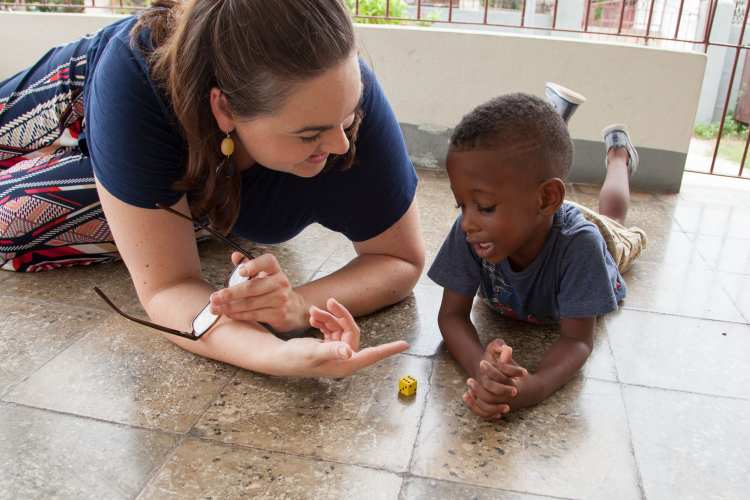
Relationships within early childhood education programmes impact child development

Child, parent, teacher and supervisor relationships within parent training and preschools in low- and middle-income countries

Great teachers focus not on compliance, but on connections & relationships

PJ Caposey in Education Week Teacher

The quality of academic, cognitive and social experiences during early childhood impacts brain development considerably (Walker, 2011). This developmentally sensitive period has long-term effects on adult functioning including emotional regulation, cognitive and psychosocial capabilities (Everson-Rose, Mendes de Leon, Bienias, Wilson & Evans, 2003). Early childhood education programmes are interventions to enhance child development outcomes, including reading, maths, grades, social interactions, wellbeing and mental health, employment, income and reduction of criminal behaviours (Walker, 2011). Examples of early childhood education programmes include parent training and preschool. There are many structural or procedural factors which enhance quality of programmes, including resource availability, schedule and the implementation of the curriculum. However making them all feasible and effective may be unattainable in low to middle income countries. The relationship is a low-cost, highly effective procedural intervention which enhances neuro-cognitive, emotional and social outcomes for the child (Maulik & Darmstadt, 2009). This blog therefore discusses the benefits of relationships within parent training and preschools for children aged 0-5 living in low and middle income countries. Such relationships occur between children, parents, teachers, home visitors and supervisors.

Child peer relationships

Preschool

Early experiences of social interaction in preschool have an important role in child social development (Arslan, Durmuşoğlu-Saltali, & Yilmaz, 2011). The ability to form and maintain healthy peer relationships is linked with wellbeing, emotional development, psychological adjustment and social competence (Arslan, Durmuşoğlu-Saltali, & Yilmaz, 2011). In addition, child attachments with peers is influenced by attachment style, with securely attached children developing healthy relationships with peers (Szewczyk-Sokolowski & Bost, 2005).

Home visits

Preschool may appear to have a more direct impact on child-child relationships due to the group setting. However, home visits may enhance emotional functioning, social competence and wellbeing (Hastings, Nuselovici, Rubin, & Cheah, 2010). An interaction of the childs relationship with their parent and the childs temperament also impacts their social development (Hastings, Nuselovici, Rubin, & Cheah, 2010). The relationship developed with parents, which is influenced by their temperament impacts how they interact with others in the future (Hastings, Nuselovici, Rubin, & Cheah, 2010). Home visits can support the development of this relationship through helping the parent with more effective responses to their childs behaviours (Moss et al., 2011).

Mother-child relationship

Home visits

A highly effective method of enhancing child development outcomes is through promoting mother-child interaction. Home visits can advocate quality time between mother and baby in low and middle income countries (Cooper et al., 2009). This promotes healthy attachments, improved physical wellbeing, motivation, grade attainment and socio-emotional skills (Wechsler, Melnick, Maier, & Bishop, 2016). Home visits facilitating the relationship can also enhance parental confidence, wellbeing and ability to cope with stressors (Winston & Chicot, 2016).

The Incredible Years Teacher Training Programme is an evidence-based programme used in low to middle income counties. It is used to facilitate child-parent-teacher relationships to enhance child social, emotional and cognitive capabilities (Baker-Henningham, Scott, & Walker, 2012). The Incredible Years evidence based Parenting Programme supports parents to strengthen interactions with children and develop nurturing relationships (Baker-Henningham, Scott, & Walker, 2012).

Preschool

The parent-child relationship can also be improved through centre-based early childhood education in low and middle income countries. Teachers may provide parental support in how to promote child school commitment, promote consistency between home and school and parent-child relationships (Webster-Stratton, 2000). Certain programmes such as the Incredible Years Teacher Training Programme emphasises parental involvement in preschool, to improve child outcomes (Webster-Stratton, 2000).

Staff-child relationship

Home visit

Home visitors relationship with children is crucial to outcomes, as their role is to develop supportive and trusting relationships with families. Poor home visitor-child relationships may decrease child engagement and lose trust of parents, hindering outcomes (Shanti, 2017). The child-staff relationship is facilitated through activities such as play, music and reading, which also promotes child neuro-cognitive functioning (Maulik & Darmstadt, 2009). The Incredible Years Teacher Training Programme offers training to home visitors, to strengthen relationships and improve child development (Baker-Henningham, Scott, & Walker, 2012).

Preschool

Teacher-child relationship facilitates child engagement, outcomes, cope with stressors and persevere (Yunus, Osman, & Ishak, 2011). Factors which enable or hinder the teacher-child relationship are summarised below (Chen & Phillips, 2018, Choi & Dobbs-Oates, 2016, Maleki et al., 2017, Woods, Lambert, Brown, Fincham, & May, 2015, Yoon, 2002).

Factors facilitating the teacher-child relationship

  • Child social skills
  • Child low internalising skills
  • Teacher praise, acceptance, encouragement
  • Higher child academic achievement
  • Child motivation
  • Teacher personal characteristics including self-efficacy, respect, trustworthiness and warmth

Factors hindering the teacher-child relationship

  • Teacher negative affect
  • Teacher stress (increased workload, insufficient training, lack of teacher support)
  • Child conduct problems and disruptive behaviours
  • Teacher-child conflict
  • Teacher-parent conflict

The summary of literature appears to suggest that many enablers to positive teacher-child relationships are influenced by both teacher and child, whereas the barriers lie mainly with the teacher. This finding suggests that teacher training in developing an appropriate and safe relationship is crucial to enhance child outcomes. Programmes such as the Incredible Years Teacher Training Programme can enhance the skills necessary to manage the classroom, develop positive relationships and optimise child development (Baker-Henningham, Scott, & Walker, 2012).

Parent-staff relationship

Home visit

The working relationship between home visitors and parents is crucial to optimise outcomes (Shanti, 2017). A trusting, supportive and empathetic relationship enhances the likelihood of parent interaction and engagement (Mendez, 2010). Home visitors can facilitate the parent-child relationship, support the parent to engage in stimulating activities and improve their child development (Shanti, 2017). The Incredible Years Teacher Training programme emphasises the home visitor-parent relationship and supports home visitors through work with parents (Baker-Henningham, Scott, & Walker, 2012).

Preschool

Through promoting parent-staff relationships, more consistency can be maintained between approaches taken in home and school. Teachers may share their knowledge in the appropriate methods of promoting healthy behaviours, such as showing affection, praise and being proactive (Baker-Henningham, 2011). Maintaining positive relationships is a strategy used within both parents and teachers programmes offered in the Incredible Years Programme (Baker-Henningham, 2011). This relationship is crucial as parent-teacher relationship is linked to parental participation in interventions and child readiness (Mendez, 2010).

Summary

The interactive nature by which relationships develop means that different factors impact the child-parent-teacher-home visitor-supervisor relationships. This blog highlights many enablers for developing positive relationships in early childhood education programmes in low and middle income countries. This includes:

  • Support for staff
  • Child, parent, teacher wellbeing
  • Knowledge of the importance of the relationship
  • Warm, supportive, empathetic characteristics
  • Equal, mutual, trusting relationships
  • Additional support for problematic children
  • Parental and child engagement
  • Collaborative efforts towards childs education between supervision, parent and child

The relationship is a low-cost intervention which is empirically supported and widely implemented (Maulik & Darmstadt, 2009). The outcomes in terms of child development are countless, making it a crucial tool within interventions used in low and middle income counties. The Incredible Years Teacher Training Programme appears to be a holistic and effective method of facilitating the child-parent-teacher-supervisor relationship in low and middle income countries.

References

Arslan, E., Durmuşoğlu-Saltali, N., & Yilmaz, H. (2011). Social skills and emotional and behavioral traits of preschool children. Social Behavior and Personality: an international journal39(9), 1281-1287. DOI: https://doi.org/10.2224/sbp.2011.39.9.1281

Baker‐Henningham, H. (2011). Transporting evidence‐based interventions across cultures: using focus groups with teachers and parents of pre‐school children to inform the implementation of the Incredible Years Teacher Training Programme in Jamaica. Child: care, health and development37(5), 649-661. https://doi.org/10.1111/j.1365-2214.2011.01208.x

Baker-Henningham, H., Scott, S., Jones, K., & Walker, S. (2012). Reducing child conduct problems and promoting social skills in a middle-income country: cluster randomised controlled trial. The British Journal of Psychiatry201(2), 101-108. doi: 10.1192/bjp.bp.111.096834

Chen, S., & Phillips, B. (2018). Exploring teacher factors that influence teacher-child relationships in Head Start: A grounded theory. The Qualitative Report23(1), 80-97. Retrieved on 06/03/20. Retrieved from https://nsuworks.nova.edu/cgi/viewcontent.cgi?article=2962&context=tqr

Choi, J. Y., & Dobbs-Oates, J. (2016). Teacher-child relationships: Contribution of teacher and child characteristics. Journal of Research in Childhood Education30(1), 15-28. https://doi.org/10.1080/02568543.2015.1105331

Cooper, P., Tomlinson, M., Swartz, L., Landman, M., Molteno, C., Stein, A., McPherson, K., & Murray, L. (2009). Improving quality of mother-infant relationship and infant attachment in socioeconomically deprived community in South Africa: A randomized controlled trial. doi: https://doi.org/10.1136/bmj.b974

Everson-Rose, S. A., Mendes de Leon, C. F., Bienias, J. L., Wilson, R. S., & Evans, D. A. (2003). Early life conditions and cognitive functioning in later life. American journal of epidemiology158(11), 1083-1089. https://doi.org/10.1093/aje/kwg263

Hastings, P. D., Nuselovici, J. N., Rubin, K. H., & Cheah, C. S. (2010). Shyness, parenting, and parent-child relationships. The development of shyness and social withdrawal13, 107-130. Retrieved on 06/03/20. Retrieved from https://books.google.co.uk/books?hl=en&lr=&id=FDu7Y9tTbpYC&oi=fnd&pg=PA107&dq=child+relationships+with+other+children+in+preschool&ots=_3UooPPAXC&sig=-DiU7t4OnXL_LB-6eWQp3vUWaTA#v=onepage&q=child%20relationships%20with%20other%20children%20in%20preschool&f=false

Maleki, F., & Talaei, M. H. (2017). Investigating the Influence of Teachers’ Characteristics on the Teacher-Student Relations from Students’ Perspective at Ilam University of Medical Sciences. Journal of clinical and diagnostic research: JCDR11(6), JC04. doi: 10.7860/JCDR/2017/20109.10018

Maulik, P., Darmstadt, G. Community-based interventions to optimize early childhood development in low resource settings. J Perinatol 29, 531–542 (2009). https://doi.org/10.1038/jp.2009.42

Mendez, J. L. (2010). How can parents get involved in preschool? Barriers and engagement in education by ethnic minority parents of children attending Head Start. Cultural Diversity and Ethnic Minority Psychology16(1), 26. https://doi.org/10.1037/a0016258

Moss, E., Dubois-Comtois, K., Cyr, C., Tarabulsy, G. M., St-Laurent, D., & Bernier, A. (2011). Efficacy of a home-visiting intervention aimed at improving maternal sensitivity, child attachment, and behavioral outcomes for maltreated children: A randomized control trial. Development and psychopathology23(1), 195-210. DOI: https://doi.org/10.1017/S0954579410000738

Shanti, C. (2017). Engaging Parents in Early Head Start Home-Based Programs: How Do Home Visitors Do This?. Journal of evidence-informed social work14(5), 311-328. https://doi.org/10.1080/23761407.2017.1302858

Szewczyk‐Sokolowski, M., Bost, K. K., & Wainwright, A. B. (2005). Attachment, temperament, and preschool children’s peer acceptance. Social Development14(3), 379-397. https://doi.org/10.1111/j.1467-9507.2005.00307.x

Walker, S. (2011). Promoting equity through early child development interventions for children from birth through three years of age. No small matter: The impact of poverty, shocks, and human capital investment in early childhood development, 115-54. https://doi.org/10.1596/978-0-8213-8677-4

Webster-Stratton, C. (2000). The incredible years training series. US Department of Justice, Office of Justice Programs, Office of Juvenile Justice and Delinquency Prevention. Retrieved on 05/03/20. Retrieved from https://books.google.co.uk/books?hl=en&lr=&id=wnaCgCKk6owC&oi=fnd&pg=PA4&dq=Webster-Stratton,+C.+(2000)+The+Incredible+Years+Training+Series.+Office+of+Juvenile+Justice+and+Delinquency+Prevention,+Juvenile+Justice+Bulletin.&ots=mKlve-ipPI&sig=ZwnRVoP6NeMGYKGKs8d_7dhVoJI#v=onepage&q=Webster-Stratton%2C%20C.%20(2000)%20The%20Incredible%20Years%20Training%20Series.%20Office%20of%20Juvenile%20Justice%20and%20Delinquency%20Prevention%2C%20Juvenile%20Justice%20Bulletin.&f=false

Wechsler, M., Melnick, H., Maier, A., & Bishop, J. (2016). The building blocks of high-quality early childhood education programs. Palo Alto: Learning Policy Institute. Retrieved on 03/03/20. Retrieved from https://learningpolicyinstitute.org/sites/default/files/product-files/Building_Blocks_Early_Childhood_Education_04202016.pdf

Winston, R., & Chicot, R. (2016). The importance of early bonding on the long-term mental health and resilience of children. London journal of primary care8(1), 12-14. doi: 10.1080/17571472.2015.1133012

Woods, S., Lambert, N., Brown, P., Fincham, F., & May, R. (2015). “I’m so excited for you!” How an enthusiastic responding intervention enhances close relationships. Journal of Social and Personal Relationships32(1), 24-40.

S Yoon, J. (2002). Teacher characteristics as predictors of teacher-student relationships: Stress, negative affect, and self-efficacy. Social Behavior and Personality: an international journal30(5), 485-493. DOI:10.2224/sbp.2002.30.5.485

Yunus, M. M., Osman, W. S. W., & Ishak, N. M. (2011). Teacher-student relationship factor affecting motivation and academic achievement in ESL classroom. Procedia-Social and Behavioral Sciences15, 2637-2641. https://doi.org/10.1016/j.sbspro.2011.04.161

Zaslow, M., Anderson, R., Redd, Z., Wessel, J., Tarullo, L., & Burchinal, M. (2010). Quality Dosage, Thresholds, and Features in Early Childhood Settings: A Review of the Literature. OPRE Report 2011-5. Administration for Children & Families.

The least sustainable country; how child health and well-being can be improved in the Central African Republic.

The greatest threat to our planet is the belief that someone else will save it

Robert Swan

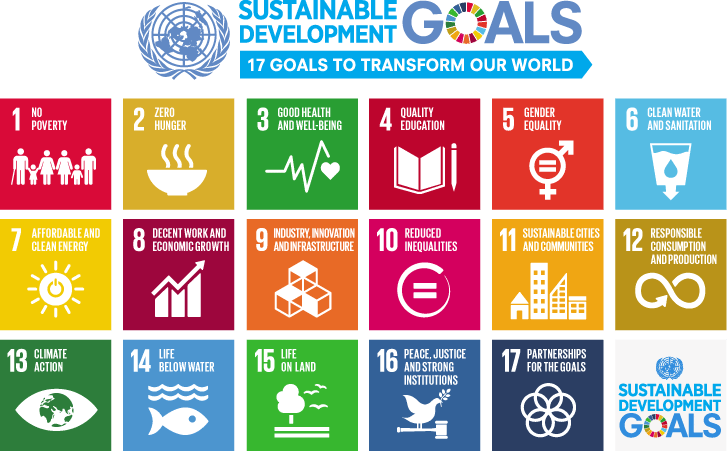
The rapidly increasing state of environmental deterioration, poverty and diminishing resources requires a collaborative effort to combine means, knowledge and effort. Sustainable development is the process of striving to achieve the needs of the present, without impairing the needs of future generations (The Brundtland Commission, 1987). In 2015, the United Nations General Assembly established 17 sustainable development goals focusing on areas such as poverty, hunger, and health and wellbeing (UN General Assembly, 2015). This blog focuses on the good health and wellbeing goal, which promotes physical and mental health across ages and countries. In 2019, the country achieving the worst sustainable development outcomes was the Central African Republic (Sachs, Schmidt-Traub, Kroll, Lafortune, & Fuller, 2019).

The human development report (2019) for the Central African Republic found that:

  • 79% of the population live in poverty
  • 46% have access to basic drinking water sources
  • 25% have access to basic sanitation facilities
  • 64% require humanitarian assistance
  • 45% are food insecure
  • 40% of children between 6 months and 5 years are stunted
  • 94% are in vulnerable employment, with no fixed or guaranteed income
  • There are only 10 hospital beds per 10,000 people

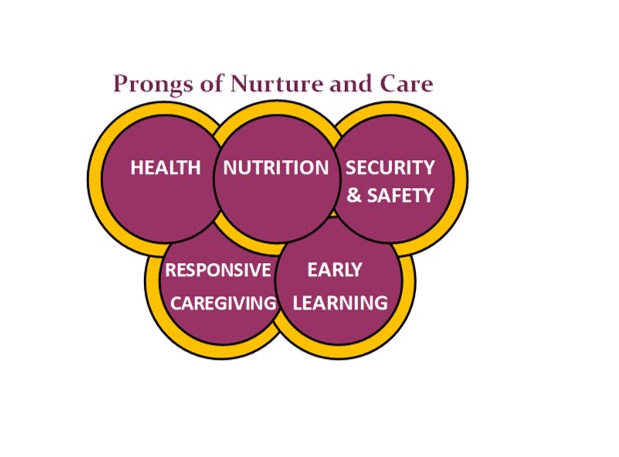
Cognitive, social and health experiences in early life are significant determinants of adult outcomes (Everson-Rose, Mendes de Leon, Bienias, Wilson & Evans, 2003). Early childhood programming can improve health and wellbeing through focusing attention on the five prongs of nurture and care. Health, nutrition, security and safety, responsive caregiving and early learning are all crucial to child health and wellbeing (World Health Organisation, 2018). The family, community and government can contribute to the five areas, to benefit child development (World Health Organisation, 2018).

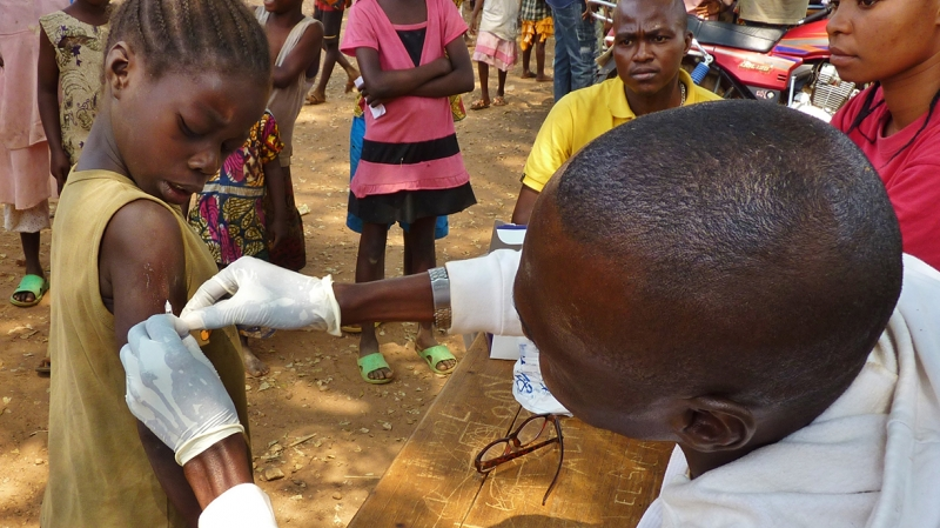
HEALTH conditions in the Central African Republic can be improved through increased immunisations, access to health centres, contraception and family planning. Immunisations are among the most successful and cost-effective health interventions, preventing an estimated 2-3 million deaths per year, and millions of other health issues (Unicef, 2018). Protecting children against diseases reduces preventable child deaths, epidemics, pressure on health care, the spread of contagious disease and poor development (Breiman et al., 2004).

Access to health care services is a global issue, with high demands going unmet (Potts, Myer, & Roberts, 2011). Individuals face long distances to hospitals and clinics, understaffing, and lack of resources and equipment (Potts, Myer, & Roberts, 2011). Access to healthcare is a human right, and investments may contribute to ending cycles of poverty, the spread of contagious disease and poor cognitive development (Unicef, 2018). Family planning services can prevent against unwanted pregnancy, the spread of sexually transmitted diseases and mortality (Alkema, Kantorova, Menozzi, & Biddlecom, 2013).

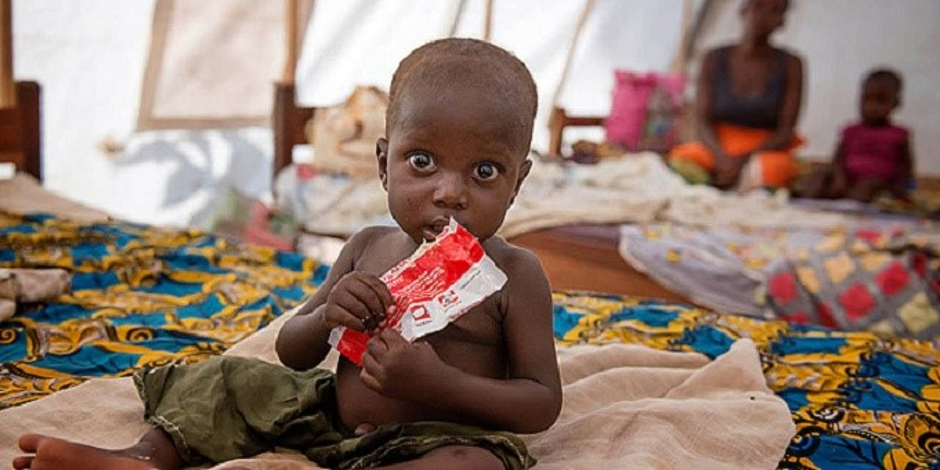
NUTRITION is crucial to a child’s cognitive development, impacting their ability to learn, and consequently their productivity and income (Unicef, 2018). Nutrition also impacts a child’s ability to grow physically, and their protection from disease and disaster (Unicef, 2018). Appropriate nutrition in early life can protect children from lifelong biological insults and ensure that they reach their full potential (Unicef, 2018). Micronutrient supplementation should be provided to families who have insufficient food, as well as the promotion of good feeding practices such as breastfeeding.

SAFETY AND SECURITY– Gastrointestinal diseases are high due to the lack of sanitation facilities and clean water (Unicef, 2013). 54% of households in the Central African Republic have access to drinking water and 35% practice open defecation (UN office, 2018). Increased access to sanitation facilities and clean water can reduce healthcare costs, reduce disease and epidemics (Sachs, Schmidt-Traub, Kroll, Lafortune, & Fuller, 2019).

Despite criminalisation of abuse and violence towards children under 15, offences often go unconvicted in the Central African Republic (CAR Human Rights Report, 2018). Children witness and experience violence, sexual assault, arson and even murder, often receiving no support (World Report, 2017). Such atrocities can impact child mental health, the intergenerational transmission of violence, and increased costs associated with the criminal justice system and rehabilitation services (Benjet, 2010; Widom & Wilson, 2015).

RESPONSIVE CAREGIVING enhances child wellbeing and mental health, and can be supported by professionals or para-professionals through home visits, health clinics and group sessions in the community. Caregiver mental health also impacts child wellbeing, mental health, birth weight, educational attainment, behavioural issues and employment (Bennett, Schott, Krutikova, & Behrman, 2016). Parents and children living in poverty are more at risk to mental health issues (Wickham, Whitehead, Taylor-Robinson, & Barr, 2017). The thinking healthy programme requires parents to work together to promote child health, and uses basic cognitive-behavioural therapy techniques (Rahman, Malik, Sikander, Roberts, & Creed, 2008). Parents with higher wellbeing model emotional responses, support child emotional development and provide an enabling environment through play, praise and quality interaction (Walker et al., 2006).

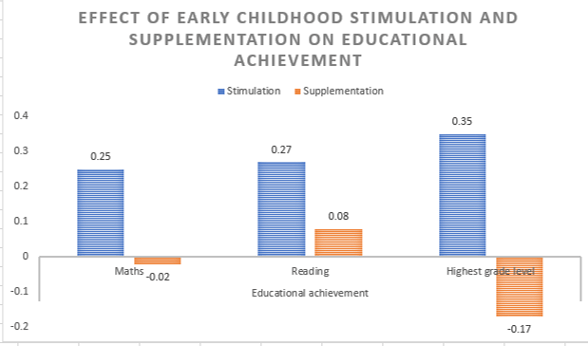
EARLY LEARNING- Preschool is the most cost-efficient investment with regards to adult outcomes, benefitting child cognitive and socio-emotional development (Unicef, 2018). However, early learning can also take place within the family, through home visits and with community-based programmes (World Health Organisation, 2018). Caregivers can be educated as to how to promote early learning in children through play activities, language development, enhanced relationship quality and opportunities to explore and learn. Education and learning in early life promotes development and cognitive performance, school attainment and economic growth, as shown in the graph (Walker et al., 2006).

Summary- Children living in the Central African Republic are exposed to more risk factors as health insults are more common and resources are limited (Currie & Vogl, 2012). The biological risk factors result in adverse consequences including increased risk of disease, stunting, reduced life expectancy, delayed socio-emotional development and mortality (Martorell & Nguyen, 2010). Lack of stimulation, education and social interaction also impacts the process of developmental plasticity, causing cognitive and mental health disadvantages (Walker, Chang, Vera- Hernández, & Grantham-McGregor, 2011). The biological and environmental risk factors during childhood impact adult education, occupation, income, health and family foundation (Currie & Vogl, 2012).

Interventions taking place in early childhood, with the most at-risk children will have the most benefit as this period is most sensitive to change (Black et al., 2016). The prongs of nurture and care highlight how health is necessary but not sufficient to promoting physical and cognitive development (Walker et al., 2006). Through investing in immunisations, health centres, nutrition, protection from adversities, caregiving and early learning, risks can be reduced and competencies can be increased. Investing in early childhood programming will produce economic and social benefits, reducing the costs associated with healthcare, disease, criminal justice, unemployment and reducing the amount of people living in poverty (Asante, Prive, Hayen, Jan, & Wiseman, 2016).

References

Alkema, L., Kantorova, V., Menozzi, C., & Biddlecom, A. (2013). National, regional, and global rates and trends in contraceptive prevalence and unmet need for family planning between 1990 and 2015: a systematic and comprehensive analysis. The Lancet381(9878), 1642-1652. https://doi.org/10.1016/S0140-6736(12)62204-1

Asante, A., Price, J., Hayen, A., Jan, S., & Wiseman, V. (2016). Equity in health care financing in low-and middle-income countries: a systematic review of evidence from studies using benefit and financing incidence analyses. PloS one11(4). doi: 10.1371/journal.pone.0152866

Benjet, C. (2010). Childhood adversities of populations living in low-income countries: prevalence, characteristics, and mental health consequences. Current opinion in psychiatry23(4), 356-362. doi: 10.1097/YCO.0b013e32833ad79b

Bennett, I. M., Schott, W., Krutikova, S., & Behrman, J. R. (2016). Maternal mental health, and child growth and development, in four low-income and middle-income countries. J Epidemiol Community Health70(2), 168-173. doi:10.1136/jech-2014-205311

Black, M. M., Walker, S. P., Fernald, L. C., Andersen, C. T., DiGirolamo, A. M., Lu, C., McCoy, D. C., Fink, G., Shawar, Y. R., Shiffman, J., Devercelli, A. E., Wodon, Q. T., Vargas-Baron, & Grantham-McGregor. (2017). Early childhood development coming of age: science through the life course. The Lancet389(10064), 77-90. DOI: 10.1016/S0140-6736(16)31389-7 

Breiman, R. F., Streatfield, P. K., Phelan, M., Shifa, N., Rashid, M., & Yunus, M. (2004). Effect of infant immunisation on childhood mortality in rural Bangladesh: analysis of health and demographic surveillance data. The Lancet364(9452), 2204-2211. https://doi.org/10.1016/S0140-6736(04)17593-4

Brundtland, G. H., Khalid, M., Agnelli, S., Al-Athel, S., & Chidzero, B. (1987). Our common future. New York, 8. Retrieved on 09/02/20. Retrieved from https://sustainabledevelopment.un.org/content/documents/5987our-common-future.pdf

Central African Republic Human Rights Report. (2018). Country Reports on Human Rights Practice. United States Department of State. Retrieved on 13/02/20. Retrieved from https://www.state.gov/wp-content/uploads/2019/03/Central-African-Republic-2018.pdf.

Currie, J., & Vogl, T. (2013). Early-life health and adult circumstance in developing countries. Annu. Rev. Econ.5(1), 1-36. https://doi.org/10.1146/annurev-economics- 081412-103704

Everson-Rose, S. A., Mendes de Leon, C. F., Bienias, J. L., Wilson, R. S., & Evans, D. A. (2003). Early life conditions and cognitive functioning in later life. American journal of epidemiology158(11), 1083-1089. https://doi.org/10.1093/aje/kwg263

Human Development Report. (2019). Beyond income, beyond averages, beyond today: Inequalities in human development in the 21st century. United Nations Development Programme: New York. Retrieved on 10/02/20. Retrieved from http://hdr.undp.org/sites/default/files/hdr2019.pdf

Martorell, R., & Nguyen, P. (2010). Interrelationship between growth and development in low and middle income countries. In Importance of Growth for Health and Development, 65, 99-121. Karger Publishers. Retrieved on 11/02/20. Retrieved from https://www.researchgate.net/profile/Richard_Cooke4/publication/41414189_Postnatal_Growth_and_Development_in_the_Preterm_and_Small_for_Gestational_Age_Infant/links/02e7e5346812d204c2000000.pdf#page=21

Potts, A., Myer, K., & Roberts, L. (2011). Measuring human rights violations in a conflict-affected country: results from a nationwide cluster survey in Central African Republic. Conflict and health5(1), 4. doi: 10.1186/1752-1505-5-4

Rahman, A., Malik, A., Sikander, S., Roberts, C., & Creed, F. (2008). Cognitive behaviour therapy-based intervention by community health workers for mothers with depression and their infants in rural Pakistan: a cluster-randomised controlled trial. The Lancet372(9642), 902-909. https://doi.org/10.1111/j.1365-3156.2008.02036.x

Sachs, J., Schmidt-Traub, G., Kroll, C., Lafortune, G., & Fuller, G. (2019). Sustainable development report 2019. Bertelsmann Stiftung and Sustainable Development Solutions Network (SDSN): New York, NY, USA. Retrieved on 09/02/20. Retrieved from https://s3.amazonaws.com/sustainabledevelopment.report/2019/2019_sustainable_development_report.pdf.

UN General Assembly. (2015). Transforming our world : the 2030 Agenda for Sustainable Development. A/RES/70/1. Retrieved on 10/02/20. Retrieved from https://www.refworld.org/docid/57b6e3e44.html.

UN office for the Coordination of Humanitarian Affairs. (2018). Central African Republic Humanitarian Fund Annual Report. Retrieved on 12/02/20. Retrieved from https://www.unocha.org/sites/unocha/files/CAR%20HF%20Annual%20Report%202018.pdf

Unicef. (2016). UNICEF Annual Report. Central African Republic. Retrieved on 12/02/20. Retrieved from https://www.unicef.org/about/annualreport/files/Central_African_Republic_2016_COAR.pdf

Unicef. (2018). Progress for every child in the SDG era. Division of Data, Research and Policy. Retrieved on 09/02/20. Retrieved from file:///C:/Users/USER/Downloads/Progress_for_Every_Child_V4.pdf

Walker, S. P., Chang, S. M., Powell, C. A., Simonoff, E., & Grantham-McGregor, S. M. (2006). Effects of psychosocial stimulation and dietary supplementation in early childhood on psychosocial functioning in late adolescence: follow-up of randomised controlled trial. Bmj333(7566), 472. doi: https://doi.org/10.1136/bmj.38897.555208.2F 

Walker, S. P., Chang, S. M., Vera-Hernández, M., & Grantham-McGregor, S. (2011). Early childhood stimulation benefits adult competence and reduces violent behavior. Pediatrics127(5), 849-857. DOI: https://doi.org/10.1542/peds.2010-2231

Wickham, S., Whitehead, M., Taylor-Robinson, D., & Barr, B. (2017). The effect of a transition into poverty on child and maternal mental health: a longitudinal analysis of the UK Millennium Cohort Study. The Lancet Public Health2(3), e141-e148. https://doi.org/10.1016/S2468-2667(17)30011-7

Widom, C. S., & Wilson, H. W. (2015). Intergenerational transmission of violence. In Violence and mental health (pp. 27-45). Springer, Dordrecht. https://doi.org/10.1007/978-94-017-8999-8_2

World Report. (2017). Central African Republic, Events of 2017. Retrieved on 13/03/30. Retrieved from https://www.hrw.org/world-report/2018/country-chapters/central-african-republic.

World Health Organisation. (2014). Central African Republic. Fact Sheet: Emergency Risk and Crisis Management. Retrieved on 10/02/20. Retrieved from https://www.who.int/hac/crises/caf/sitreps/central_african_republic_country_fact_sheet_march2014.pdf

World Health Organisation. (2018). Nurturing care for early childhood development. A global framework for action and results. WHO, UNICEF. Retrieved on 11/02/20. Retrieved from https://www.who.int/maternal_child_adolescent/child/nurturing-care-framework-first-draft.pdf

Design a site like this with WordPress.com
Get started